Innovation Against the Flow: How Energy-Efficient Water Dispensers Reshaped China’s Public Drinking Landscape (2000-2010)
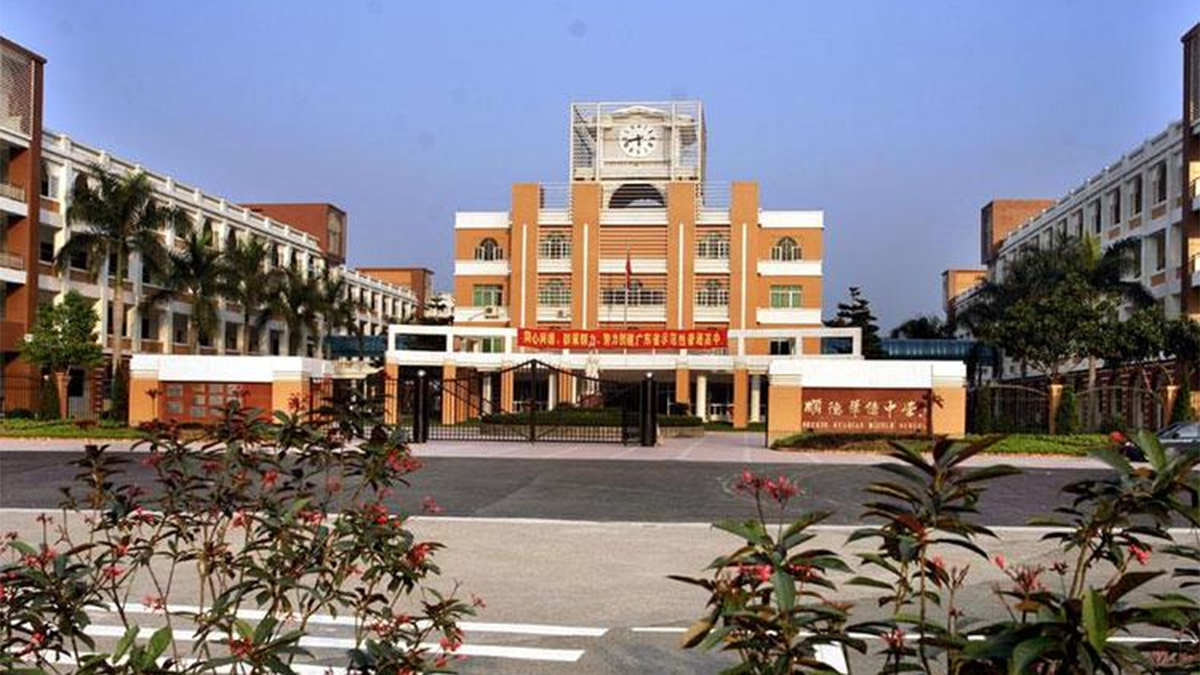
In 2003, the class dismissal bell at Shunde Overseas Chinese Middle School signaled the day’s most tense moment. Students would rush towards the only two water boiler rooms, racing against time for a cup of hot water – a daily “water rush” poised to be revolutionized by an innovative technology.
I. The Drinking Water Dilemma: A Daily Battle on Campus
A 2002 tracking survey revealed the school’s severe drinking water situation:
- Critical Space Shortage: 12 classes shared only 2 water boiler rooms, each accommodating just 5 people at a time.
- Significant Time Waste: The daily cumulative time students spent fetching water was equivalent to 104 class periods per year.
- Pronounced Safety Hazards: 7 scald accidents occurred within one academic year, with the most severe case requiring skin graft surgery.
Traditional solutions at the time had their own limitations: coal-fired boilers were inefficient and polluting; electric heating buckets frequently caused circuit breakers; insulated water drums failed to maintain temperature. This predicament starkly contrasted with Shunde’s identity as the “Home Appliance Manufacturing Capital,” spurring an urgent need for technological innovation.
II. Technological Breakthrough: The Heat Recovery Revolution
The core breakthrough of the energy-efficient water dispenser lay in the sleeve-pipe heat exchanger:
- Counter-flow Design: Cold and hot water flowed in opposite directions, maximizing heat transfer efficiency.
- Material Innovation: Use of purple copper pipes with excellent thermal conductivity, paired with vacuum insulation layers.
- Structural Optimization: Spiral angle adjustments increased the heat exchange area, and special groove designs enhanced turbulence.
Inspection data from 2003 showed a qualitative leap for the new technology:
- Instant supply of 40°C warm water, eliminating waiting time.
- Energy efficiency ratio increased by 11 times.
- Annual carbon emissions reduced by 76%.
III. From Campus to Society: The Path of Innovation
After the pilot installation at Shunde Overseas Chinese Middle School in 2003:
- The long queues for water disappeared completely.
- Scald accidents dropped to zero.
- The school’s electricity bill decreased by 37%.
This successful model was rapidly promoted:
- In 2005, it was selected as one of the Ministry of Education’s Top Ten Innovative School-Enterprise Collaboration Cases.
- By 2008, it was widely installed in Foshan’s public transport systems, hospitals, and government service halls.
- Public satisfaction significantly improved, and waiting times were noticeably reduced.
IV. Limitations Beneath the Glory
However, the new technology also introduced new problems:
- Standby Energy Consumption: The annual standby power consumption of all national units was equivalent to 0.2% of the Three Gorges Dam’s annual power generation.
- Safety Hazards: Early models posed steam jet risks and potential hazards for children.
- Space Occupation: The relatively large size of the units created new spatial pressures in some venues.
Conclusion
The decade-long development of energy-efficient water dispensers illustrates a clear innovation path: societal needs spur technological breakthroughs; new technologies solve problems while introducing fresh challenges, which in turn drive higher-level innovation. As the Shunde factory produced its 1,000,000th energy-efficient water dispenser, the R&D for the next generation of tankless solutions was already underway – the spiral of innovation forever ascending.
Energy-efficient water dispenser, Public drinking water, Heat recovery, School drinking water, Water-saving technology, Shunde manufacturing, 2000-2010, Heat exchanger, Energy-saving technology, Drinking water safety, Infrastructure, Environmental innovation, Campus reform, Public facilities, Energy-saving renovation